Sparkling water has become the go-to “healthy” alternative to soda. It’s refreshing, calorie-free, and often marketed as a smarter hydration choice. Many people switch to it believing they’re making a tooth-friendly decision.
But here’s the surprising truth: while sparkling water is far better than sugary soft drinks, it is not completely harmless for your teeth. In fact, drinking it frequently and incorrectly can slowly contribute to enamel erosion — often without obvious early symptoms.
What Makes Sparkling Water Different?
Regular water has a neutral pH, meaning it is neither acidic nor basic. Sparkling water, on the other hand, is infused with carbon dioxide, which forms a mild acid called carbonic acid. This gives it its signature fizz.
Even though this acidity is much lower than soda or energy drinks, it is still enough to slightly soften tooth enamel over time when exposure is frequent.
The Slow Effect on Enamel
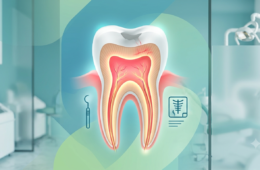
Tooth enamel is the hardest substance in the human body, but it is not indestructible. Acidic exposure — even mild — can gradually weaken it.
When you sip sparkling water repeatedly throughout the day, your teeth are exposed to a constant acidic environment. This prevents saliva from fully neutralizing the mouth and starting the natural remineralization process.
Over time, this can lead to enamel becoming thinner, more sensitive, and more prone to staining or decay.
Flavored Sparkling Water: A Bigger Concern
Not all sparkling waters are equal. Plain sparkling water is mildly acidic, but flavored versions can be significantly more acidic due to added citric acid or natural flavoring agents.
Citrus-flavored sparkling water (like lemon, lime, or berry) tends to have a lower pH level, making it more erosive to enamel.
Many people assume “zero sugar” means “zero harm,” but acidity alone is enough to affect dental health.
Subtle Signs of Enamel Erosion
Enamel damage doesn’t happen overnight. It develops gradually, often without pain in the early stages. Some signs to watch for include:
- Increased tooth sensitivity, especially to cold drinks
- Teeth appearing slightly more yellow (due to thinning enamel)
- A smooth or glassy appearance on tooth surfaces
- Increased susceptibility to stains from coffee or tea
- Mild discomfort while brushing
Because these changes are slow, many people don’t realize sparkling water is contributing to the problem.
How Drinking Habits Make It Worse
It’s not just what you drink — it’s how you drink it.
Frequent sipping throughout the day is more harmful than drinking a larger amount at once. Each sip resets the acidic exposure cycle, giving your teeth less recovery time.
Holding sparkling water in your mouth or swishing it can also increase contact with enamel, making the effect more pronounced.
Is Sparkling Water Still Safe?
Yes — in moderation, sparkling water is still far better than sugary drinks like soda or packaged juices. The key issue is not occasional consumption, but constant exposure.
If you enjoy sparkling water, you don’t need to eliminate it completely. Instead, it’s about being mindful of frequency and habits.
How to Protect Your Teeth Without Giving It Up
You can still enjoy sparkling water while reducing its impact on your teeth with a few simple habits:
- Drink it with meals instead of sipping all day
- Use a straw to minimize direct contact with teeth
- Choose plain sparkling water over flavored versions
- Rinse your mouth with regular water afterward
- Wait at least 30 minutes before brushing your teeth
These small adjustments help reduce acid exposure and give your enamel time to recover.
Sparkling water may feel like a healthy lifestyle upgrade, but it’s not entirely risk-free for your teeth. Its mild acidity, especially when consumed frequently, can slowly wear down enamel and increase sensitivity over time.
The good news is that awareness goes a long way. With balanced consumption and smart habits, you can enjoy the fizz without compromising your smile.