A tooth extraction is a common dental procedure, and most patients recover without any complications. However, in some cases, a painful condition called dry socket can develop during the healing process. While it’s not common, dry socket can significantly delay recovery and cause severe discomfort if left untreated.
Understanding what dry socket is, why it happens, and how to prevent it can help ensure a smoother recovery after a tooth extraction.
What Is a Dry Socket?
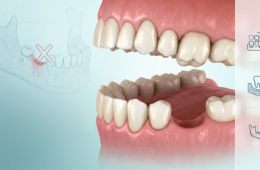
A dry socket, also known as alveolar osteitis, is a condition that occurs when the blood clot that forms after a tooth extraction becomes dislodged or fails to develop properly. This blood clot is essential because it protects the underlying bone and nerves while the extraction site heals.
When the clot is lost too early, the bone and nerve endings become exposed, leading to intense pain and a higher risk of infection.
Dry socket most commonly occurs after the removal of wisdom teeth, but it can happen after any tooth extraction.
What Causes Dry Socket?
Several factors can increase the risk of developing a dry socket. These include:
- Smoking or using tobacco products, which can interfere with healing and dislodge the blood clot.
- Drinking through a straw, as the suction can pull the clot out of the socket.
- Vigorous rinsing or spitting during the first 24 hours after surgery.
- Poor oral hygiene that allows bacteria to contaminate the extraction site.
- Difficult or surgical tooth extractions.
- Certain medical conditions or medications that affect healing.
Following your dentist’s post-operative instructions is the best way to reduce these risks.
Common Symptoms of Dry Socket
Dry socket symptoms usually appear 2–4 days after a tooth extraction. The most common signs include:
- Severe, throbbing pain that starts a few days after the extraction.
- Pain that radiates to the ear, jaw, temple, or neck on the same side.
- An empty-looking socket where the blood clot is missing.
- Visible bone at the extraction site.
- Bad breath or an unpleasant taste in the mouth.
- Mild swelling around the extraction area.
Unlike normal post-extraction discomfort, the pain from a dry socket often becomes worse instead of improving.
How Is Dry Socket Treated?
If you suspect you have a dry socket, contact your dentist as soon as possible. Although the condition is not usually dangerous, it requires professional treatment to relieve pain and promote healing.
Treatment may include:
- Gently cleaning the extraction site to remove debris.
- Placing a medicated dressing inside the socket to reduce pain.
- Prescribing pain-relieving medication if necessary.
- Providing instructions for rinsing and caring for the area during healing.
Most patients experience noticeable pain relief within a day or two after treatment.
How to Prevent Dry Socket
While dry socket cannot always be prevented, following these simple precautions can greatly lower your risk:
- Avoid smoking or vaping for at least 48–72 hours after the extraction.
- Do not use straws or create suction in your mouth during the healing period.
- Eat soft foods and avoid chewing near the extraction site.
- Brush your teeth carefully, avoiding the surgical area until advised by your dentist.
- Follow all post-operative instructions, including any recommended saltwater rinses after the first 24 hours.
- Stay hydrated and maintain good oral hygiene throughout recovery.
These small steps can make a significant difference in protecting the blood clot and supporting proper healing.
When Should You Call Your Dentist?
Some discomfort after a tooth extraction is completely normal. However, you should contact your dentist immediately if you experience:
- Severe pain that suddenly worsens a few days after surgery.
- Pain that doesn’t improve with prescribed medication.
- A bad taste or persistent bad breath.
- Fever, excessive swelling, or signs of infection.
Early treatment can relieve discomfort quickly and help prevent further complications.
Dry socket is one of the most common complications after a tooth extraction, but it is also highly manageable with prompt dental care. Knowing the warning signs and carefully following your dentist’s aftercare instructions can greatly reduce your risk and support a faster recovery.
If you’re preparing for a tooth extraction or are experiencing unusual pain after your procedure, don’t ignore your symptoms. Contact your dental team promptly to ensure proper healing and get back to smiling comfortably.