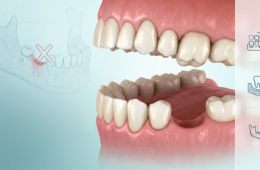
Losing a tooth can happen for many reasons, including tooth decay, gum disease, injury, or natural aging. While a missing tooth may not always cause immediate pain, leaving the space untreated can gradually affect your oral health, bite, appearance, and even the way you eat and speak.
Some people choose to wait because the missing tooth does not bother them. However, your teeth work together as a system. When one tooth is missing, the surrounding teeth and supporting structures can be affected over time.
Understanding what can happen when a missing tooth is left untreated can help you make an informed decision about replacing it.
Your Surrounding Teeth Can Shift
Your teeth naturally support and stabilize one another. When a tooth is removed, the empty space can allow neighboring teeth to gradually move toward the gap.
This movement may change the alignment of your teeth and affect your bite. Teeth can also become harder to clean when they shift into unusual positions, potentially increasing the risk of plaque buildup and other dental problems.
Over time, what started as a single missing tooth can contribute to changes throughout your smile.
Bone Loss Can Occur
One of the most important effects of tooth loss happens beneath the gums.
Your jawbone receives stimulation from the tooth roots when you chew. When a tooth is missing, that stimulation is reduced or lost. As a result, the bone surrounding the former tooth root can gradually shrink.
This process is known as bone resorption.
Significant bone loss can change the shape of the jaw and may make certain tooth-replacement options more complicated later. For patients considering dental implants, sufficient bone volume is important for implant placement, although additional procedures such as bone grafting may sometimes be used when needed.
Your Bite May Change
A missing tooth can affect how your upper and lower teeth come together.
As surrounding teeth shift and the opposing tooth may move into the empty space, your bite can gradually become less balanced. This can place additional pressure on certain teeth and may contribute to uneven tooth wear or jaw discomfort.
Even if your bite feels normal initially, changes can develop slowly and may not be obvious until they become more significant.
Chewing Can Become More Difficult
Every tooth has a role in helping you bite and chew food.
Depending on which tooth is missing, you may find yourself chewing more on one side of your mouth. Over time, this can place additional stress on the remaining teeth.
A missing back tooth, for example, may make it harder to comfortably chew certain foods. Some people may also begin avoiding foods that are difficult to eat, which can affect their overall eating habits.
Replacing the missing tooth can help restore function and make everyday activities like eating more comfortable.
Speech May Be Affected
Your teeth, tongue, lips, and palate work together to produce clear speech.
Depending on its location, a missing tooth can sometimes affect the way certain sounds are produced. Changes may be more noticeable when multiple teeth are missing, particularly teeth toward the front of the mouth.
Replacing missing teeth can help restore the structure needed for normal speech and improve confidence when communicating.
The Remaining Teeth May Experience More Stress
When one tooth is missing, the remaining teeth may have to handle more of the workload during chewing.
This additional pressure can contribute to excessive wear over time, especially if other oral health issues are already present.
Maintaining a complete and functional bite helps distribute chewing forces more evenly across your teeth.
Your Smile and Facial Appearance Can Change
Missing teeth can also affect the appearance of your smile.
When teeth are lost, the supporting bone and gum tissue can gradually change. In cases of significant tooth loss, these changes may affect the contours of the lower face.
A missing front tooth can have an immediate effect on your smile and may make you feel self-conscious when talking, laughing, or taking photographs.
Modern restorative dentistry offers several options for replacing missing teeth while creating a natural-looking result.
What Are Your Options for Replacing a Missing Tooth?
The best replacement option depends on factors such as the number of missing teeth, their location, your oral health, bone structure, and personal goals.
Common tooth-replacement options include:
- Dental Implants: An implant replaces the tooth root and can support a crown designed to look and function like a natural tooth.
- Dental Bridges: A bridge uses neighboring teeth or other supports to replace one or more missing teeth.
- Partial Dentures: Removable partial dentures can replace multiple missing teeth while helping restore chewing function and appearance.
- Full Dentures: For patients who have lost all or most of their teeth in an arch, full dentures may provide a removable solution for restoring function and appearance.
Your dentist can evaluate your mouth and recommend the option that best fits your individual needs.
Is It Ever Too Late to Replace a Missing Tooth?
A missing tooth can often be replaced even if it has been absent for some time. However, waiting can sometimes lead to additional changes, such as bone loss or movement of neighboring teeth.
These changes may affect the treatment plan and could require additional procedures before tooth replacement.
That is why discussing your options with a dental professional sooner rather than later can be beneficial.
When Should You Talk to Your Dentist?
If you have a missing tooth, it is worth scheduling an evaluation even if you are not experiencing pain.
Your dentist can assess the condition of your gums, remaining teeth, bite, and jawbone and explain your available replacement options.
Replacing a missing tooth is not only about improving the appearance of your smile. It can also help restore chewing function, support a healthier bite, and protect the surrounding structures of your mouth.
At Whalom, personalized dental care can help you understand your tooth-replacement options and choose a solution based on your oral health and individual needs. If you have been living with a missing tooth, a dental consultation can be the first step toward restoring a complete, comfortable, and confident smile.