Many people assume that a root canal is only necessary when a tooth becomes painful. However, that is not always the case. A tooth can develop significant damage or infection inside without causing noticeable discomfort.
In some situations, the nerve inside a tooth may become severely damaged or stop functioning altogether. When this happens, the pain may disappear even though the underlying problem remains.
Understanding why a painless tooth may still need root canal treatment can help you recognize dental problems before they become more serious.
Why Can a Tooth Need a Root Canal Without Pain?
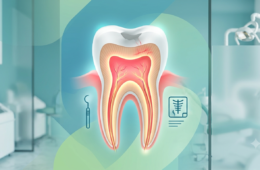
The center of a tooth contains dental pulp, which is made up of nerves, blood vessels, and connective tissue. When this tissue becomes infected or damaged, it can initially cause sensitivity or pain.
However, if the pulp eventually dies, the nerve may no longer be able to send pain signals. This can create the impression that the tooth has healed when the infection or damage is still present.
A tooth may therefore require a root canal even when you feel completely comfortable.
What Can Cause a Painless Tooth to Need a Root Canal?
Several dental problems can damage the pulp without causing obvious symptoms.
Deep Tooth Decay
A cavity that continues to progress can eventually reach the inner pulp of the tooth. At this stage, bacteria can infect the pulp and cause irreversible damage.
In some cases, the tooth may stop hurting after the nerve tissue dies, even though the infection remains inside.
Previous Dental Trauma
An injury to a tooth can damage the pulp even when the tooth does not crack or break visibly.
Trauma from a fall, sports injury, accident, or impact may affect the blood supply and nerve tissue inside the tooth. Problems may develop months or even years after the original injury.
A Dead or Non-Vital Tooth
When the pulp inside a tooth loses its blood supply and dies, the tooth may no longer respond normally to temperature or other stimuli.
The absence of pain does not necessarily mean the tooth is healthy. A non-vital tooth can still develop an infection around the root.
Hidden Infection
Sometimes an infection develops around the tip of a tooth’s root without producing noticeable pain.
Your dentist may discover the infection during a routine examination or on a dental X-ray before you experience any symptoms.
What Are the Signs of a Problematic Tooth?
Pain is only one possible sign of a dental problem. You may also notice:
- Darkening or discoloration of the tooth
- A small bump or swelling on the gums
- Tenderness around the tooth
- A bad taste or drainage near the tooth
- Sensitivity that previously occurred but suddenly disappeared
- Changes visible on a dental X-ray
- A history of trauma or extensive decay
Some teeth may have no noticeable symptoms at all.
How Can a Dentist Tell If a Root Canal Is Needed?
Because symptoms alone cannot always determine the condition of the pulp, your dentist may perform several tests during an examination.
These may include:
- Digital dental X-rays
- Pulp vitality testing
- Temperature or sensitivity testing
- Examination of the tooth and surrounding gums
- Evaluation of previous dental work or trauma
These assessments help determine whether the pulp is healthy, damaged, or no longer viable.
Does a Painless Tooth Always Need a Root Canal?
No. A tooth without pain does not automatically need root canal treatment.
Root canal therapy is recommended when the dental pulp has become infected, irreversibly damaged, or non-vital and the tooth can still be saved. Your dentist will consider the condition of the pulp, surrounding bone and gums, and the overall restorability of the tooth before recommending treatment.
A professional examination is therefore more reliable than using pain—or the absence of pain—as the only indicator.
What Happens If a Damaged Tooth Is Left Untreated?
Even when a tooth does not hurt, an untreated infection can continue to develop.
Over time, bacteria can spread beyond the tooth and affect the surrounding tissues. This may eventually lead to:
- Gum swelling
- An abscess
- Bone damage around the root
- Increased risk of tooth loss
- More complex dental treatment
Treating the problem early may help preserve the natural tooth and prevent the infection from becoming more extensive.
How Does Root Canal Treatment Help?
Root canal therapy removes the damaged or infected pulp from inside the tooth. The root canals are then cleaned, disinfected, filled, and sealed to help prevent further infection.
The tooth is typically restored with a filling or dental crown, depending on how much healthy tooth structure remains.
The goal is to eliminate the source of infection while preserving the natural tooth whenever possible. Whalom Dental provides root canal therapy as part of its general dental care services.
When Should You Have a Tooth Checked?
You should consider a dental evaluation if you notice a darkened tooth, swelling, unusual sensitivity, changes after dental trauma, or any other change in a tooth—even if it does not hurt.
Routine dental examinations are also important because some dental problems can be identified through clinical examination and X-rays before symptoms appear.
A tooth does not always have to hurt to have a serious problem. Damage or infection inside the tooth can sometimes progress quietly, particularly after deep decay or trauma.
If you have noticed a change in a tooth or have been told that a tooth may need a root canal despite having no pain, schedule an evaluation with Whalom Dental. Early diagnosis can help determine whether the tooth can be treated and preserved before the problem becomes more complicated.