Losing a tooth may not feel urgent—especially if it’s not visible when you smile. Many patients assume they can “deal with it later.” But in dentistry, a missing tooth is not a static problem. It sets off a chain reaction that affects your teeth, jawbone, bite, and even facial structure.
Understanding what happens when a tooth gap is ignored can help you make informed decisions before minor issues turn into major dental complications. Let’s walk through the timeline of what really happens when a missing tooth goes untreated.
Immediately After Tooth Loss (First Few Weeks)
The moment a tooth is lost—whether due to extraction, injury, or decay—the surrounding area begins to change.
What’s happening:
- The socket starts healing
- Blood clot forms and gum tissue closes
- Jawbone no longer receives stimulation from chewing
Why this matters:
Your jawbone relies on tooth roots for stimulation. Without it, the bone begins to weaken. While changes aren’t visible yet, bone resorption starts silently.
Key takeaway: Even if there’s no pain, biological changes have already begun.
1–3 Months: Bone Loss Begins
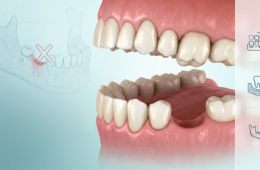
Within the first few months, the jawbone beneath the missing tooth starts shrinking.
What’s happening:
- Bone density decreases in the empty space
- Gums begin to flatten or sink
- Adjacent teeth lose structural support
Risks at this stage:
- Reduced bone height for future implants
- Increased gum sensitivity
- Early bite imbalance
This is why dentists emphasize early tooth replacement options like dental implants or bridges—bone loss is easiest to prevent, not reverse.
3–6 Months: Teeth Start Shifting
Teeth naturally want to move. When there’s a gap, nearby teeth begin drifting into the empty space.
What’s happening:
- Adjacent teeth tilt or lean
- Opposing teeth may over-erupt
- Bite alignment starts changing
Consequences:
- Food traps become common
- Increased risk of cavities and gum disease
- Jaw discomfort or clicking
At this stage, many patients notice changes but still delay treatment—often making future correction more complex and costly.
6–12 Months: Bite Problems & Gum Issues
As the bite becomes uneven, chewing efficiency decreases and stress builds up in the jaw joints.
What’s happening:
- Uneven pressure during chewing
- Gum recession around shifting teeth
- Increased plaque accumulation
Symptoms you may notice:
- Jaw pain or stiffness
- Headaches or TMJ discomfort
- Bleeding gums or bad breath
Ignoring a tooth gap now doesn’t just affect the missing tooth—it impacts your entire oral ecosystem.
1–2 Years: Facial Changes & Accelerated Bone Loss
After a year or more, the consequences become more visible.
What’s happening:
- Continued jawbone shrinkage
- Sunken appearance around lips or cheeks
- Aging facial profile
Long-term risks:
- Difficulty placing dental implants without bone grafting
- Increased tooth wear on remaining teeth
- Higher risk of multiple tooth loss
This is when patients often say, “I wish I had done something earlier.”
2+ Years: Complex, Costly Dental Problems
At this stage, untreated tooth gaps can lead to advanced dental and functional issues.
What’s happening:
- Severe bite collapse
- Chronic jaw joint problems
- Extensive restorative needs
Treatment now may require:
- Bone grafting
- Orthodontic correction
- Full-mouth rehabilitation
What could have been a simple solution earlier now becomes a multi-step, time-intensive process.
Why Replacing a Missing Tooth Early Matters
Early intervention helps:
- Preserve jawbone health
- Maintain proper bite alignment
- Protect surrounding teeth
- Prevent facial aging
- Reduce long-term dental costs
Modern dentistry offers multiple solutions—from dental implants and bridges to partial dentures—tailored to your needs, budget, and oral health condition.
When Should You Act?
The best time to replace a missing tooth is as soon as possible. Even if the gap doesn’t bother you today, the damage progresses quietly.
If you’re missing a tooth—or planning an extraction—consult your dentist early to explore replacement options before complications set in.
A missing tooth is more than a cosmetic concern—it’s a health issue with a timeline. Ignoring it doesn’t pause the problem; it allows it to grow.
If you’ve been living with a tooth gap, now is the right time to act. Your future smile—and jaw health—depend on it.
📞 Schedule a consultation today and take the first step toward protecting your smile for years to come.