When it comes to oral health, time doesn’t just pass—it leaves a trail. Your mouth is constantly evolving, and every five years, you experience key changes in your teeth, gums, enamel, and overall oral environment. Understanding these shifts can help you stay ahead of dental problems, maintain a healthier smile, and make smarter decisions about prevention and care.
In this guide, we break down the oral health timeline—what typically changes in your mouth every five years and what you can do at every stage to protect your teeth and gums.
Ages 0–5: Foundation Years
The first five years of life are crucial for future oral health.
What Changes:
- Baby teeth erupt, creating space and guidance for permanent teeth.
- Enamel is still developing, making teeth more prone to cavities.
- Children begin forming oral habits—good or bad.
Risks:
- Early childhood caries
- Thumb sucking
- Bottle-feeding decay
What to Do:
- Start dental visits by age 1
- Clean gums even before teeth erupt
- Avoid sugary snacks and bedtime bottles
These early habits shape the foundation for lifelong oral health.
Ages 6–10: Transition to Permanent Teeth
This period is marked by big developmental changes.
What Changes:
- Permanent molars erupt around age 6
- Mixed dentition stage (baby + permanent teeth)
- Jaw growth and bite start to stabilize
Risks:
- High cavity rate due to deep molar grooves
- Misalignment or crowding
- Oral hygiene challenges for kids
What to Do:
- Consider dental sealants
- Begin orthodontic evaluation
- Teach brushing and flossing independence
Establishing strong hygiene habits now prevents major issues later.
Ages 11–15: Teenage Hormonal Shift
Hormones don’t just affect mood—they affect gums too.
What Changes:
- Increased blood flow makes gums more sensitive
- Higher risk of gingivitis
- Orthodontic treatments (braces) may begin
Risks:
- Gum inflammation
- Cavity risk from poor hygiene with braces
- Sports injuries affecting teeth
What to Do:
- Encourage consistent brushing around brackets
- Use mouthguards for sports
- Monitor sugar and soda consumption
This is the phase where routine discipline matters most.
Ages 16–20: Wisdom Teeth + Lifestyle Impact
Lifestyle and diet start making a noticeable difference.
What Changes:
- Wisdom teeth erupt or become impacted
- Enamel wear may begin
- Higher exposure to staining foods and habits
Risks:
- Jaw pain
- Crowding
- Smoking- or vaping-related gum damage
What to Do:
- Get wisdom teeth evaluated
- Maintain 6-month cleanings
- Limit staining drinks like coffee or soda
This is the age when personal responsibility for oral health truly starts.
Ages 21–25: Early Adult Changes
Early adulthood brings new routines—and new oral health challenges.
What Changes:
- Stress may lead to teeth grinding (bruxism)
- Changes in diet can increase cavity risk
- Early signs of gum recession may appear
Risks:
- Jaw pain from grinding
- Sensitivity
- Plaque buildup from irregular hygiene routines
What to Do:
- Use a nightguard if you grind your teeth
Maintain a consistent brushing and flossing routine - Limit sugary snacks during long work hours
These habits can prevent early deterioration of enamel and gums.
Ages 26–30: Enamel Wear Accelerates
As you approach your late 20s, gradual wear becomes more noticeable.
What Changes:
- Enamel thins with age
- Stress and lifestyle habits affect gum health
- Occasional sensitivity becomes more common
Risks:
- Increased risk of cavities
- Gum recession
- Higher chance of cracked or chipped teeth
What to Do:
- Use fluoride toothpaste
- Avoid using teeth as tools
- Reduce acidic food and drink intake
Regular professional cleanings become more important during this phase.
Ages 31–35: Gum Health Becomes Critical
This is the age when gum disease risk spikes.
What Changes:
- Gums may recede further
- Bone loss around teeth becomes possible
- Hormonal changes (especially during pregnancy) can affect oral health
Risks:
- Periodontal disease
- Loose teeth
- Chronic bad breath
What to Do:
- Schedule periodontal evaluations
- Use an electric toothbrush
- Discuss pregnancy-related gum care with your dentist
Taking gum health seriously at this stage protects your long-term oral foundation.
Ages 36–40: Restorations Become More Common
Wear and tear start showing.
What Changes:
- Old fillings may need replacement
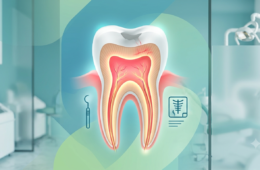
- Crowns or root canals may become necessary
- Bite alignment may shift slightly
Risks:
- Tooth fractures
- Deep decay beneath old restorations
- Sensitivity due to enamel loss
What to Do:
- Replace old dental work on time
- Consider nightguards if you clench
- Avoid sticky or overly hard foods
Staying updated with dental treatments helps avoid bigger problems later.
Ages 41–45: Early Aging Signs in the Mouth
Signs of aging begin to increase.
What Changes:
- Dry mouth (xerostomia) becomes more common
- Saliva production slows
- Teeth appear more yellow due to enamel thinning
Risks:
- Tooth decay increases due to less saliva
- Higher risk of gum infections
- Dental erosion from acidity
What to Do:
- Hydrate often
- Use saliva-boosting products
- Consider professional whitening
Managing dry mouth is essential for preventing rapid cavity formation.
Ages 46–50: The Midlife Mouth Milestone
By age 50, oral changes become more pronounced.
What Changes:
- Periodontal disease risk peaks
- Teeth may shift or loosen
- More dental restorations may be required
Risks:
- Tooth loss
- Severe gum recession
- Jawbone density loss
What to Do:
- Prioritize periodontal cleanings
- Maintain a calcium-rich diet
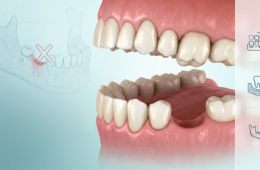
- Replace missing teeth promptly to protect bone
Your Oral Health Evolves—Your Care Should Too
The oral health hourglass never stops moving. Every five years, your mouth undergoes changes that can significantly impact your smile, comfort, and long-term dental health. The key is simple: stay proactive.
Routine dental visits, smart lifestyle choices, and early intervention can help you maintain a healthy, confident smile—no matter which age bracket you fall into.
If you want personalized guidance for your age group or need a preventive dental checkup, schedule a visit with your dentist today.