When people hear the term “lifestyle disease,” they usually think of diabetes, high blood pressure, or obesity. But there’s another health issue quietly becoming just as common—and just as dangerous: gum disease.
Yes, gum disease is now being considered a modern lifestyle disease, and the reason is simple: it’s strongly connected to the way we live today. Poor diet, stress, smoking, lack of sleep, and inconsistent oral care habits are creating the perfect environment for gum infections to thrive.
And the scariest part? Most people don’t even realize they have it until it becomes severe.
Let’s understand why gum disease is rising so rapidly, what lifestyle factors are driving it, and how you can protect your gums before it becomes a serious health concern.
What Is Gum Disease?
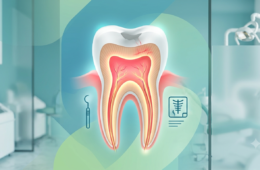
Gum disease, also known as periodontal disease, is an infection of the tissues that support your teeth. It typically starts as gingivitis, where the gums become inflamed, swollen, and bleed easily.
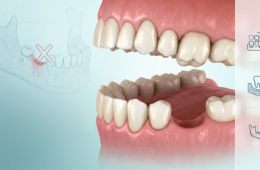
If untreated, gingivitis can progress into periodontitis, which affects the deeper structures like bone and connective tissue. This can lead to gum recession, tooth mobility, and eventually tooth loss.
Gum disease is not just a dental issue—it’s an infection, and infections don’t stay confined to one place.
Why Gum Disease Is Becoming So Common Today
Gum disease is rising globally, not because people suddenly stopped brushing, but because modern lifestyles are pushing oral health to the bottom of the priority list.
Many people are living in a constant cycle of stress, irregular meals, sugar-heavy diets, late nights, and skipped dental visits. Over time, these habits create a silent buildup of plaque and bacteria, leading to gum inflammation.
Unlike cavities, gum disease can progress painlessly for years, which makes it easy to ignore until it becomes serious.
The Lifestyle Factors That Are Fueling Gum Disease
- High Sugar Diet and Frequent Snacking
Modern diets are loaded with sugar, processed foods, soft drinks, and refined carbs. These foods feed harmful bacteria in the mouth, leading to plaque formation.
Frequent snacking means your mouth stays acidic longer, increasing bacterial growth and gum irritation.
Over time, this creates inflammation that weakens gum tissue.
- Stress Is Destroying Gum Health
Stress doesn’t just affect your mind—it impacts your body’s ability to fight infection.
When stress levels rise, your immune system weakens. This makes it easier for gum bacteria to grow and harder for your body to control inflammation.
Stress can also lead to:
- teeth grinding
- dry mouth
- skipped brushing routines
- unhealthy eating habits
All of these directly contribute to gum disease progression.
- Smoking and Tobacco Use
Smoking remains one of the biggest risk factors for gum disease.
Tobacco reduces blood flow to the gums, which means your gum tissues don’t get enough oxygen and nutrients to heal properly. It also masks symptoms like bleeding gums, meaning gum disease can advance unnoticed.
Smokers are significantly more likely to experience:
- gum recession
- tooth mobility
- bone loss
- chronic bad breath
- Poor Sleep and Weakened Immunity
Lack of sleep has become extremely common—and it affects your immune response.
When your body doesn’t get proper rest, inflammation increases and your ability to fight infections decreases. This makes gum disease more aggressive and harder to control.
Sleep deprivation also increases stress hormones, creating a cycle that worsens oral health.
- Neglecting Dental Cleanings
Many people visit the dentist only when there’s pain. But gum disease often doesn’t cause pain in its early stages.
Plaque hardens into tartar over time, and tartar cannot be removed with brushing alone. Without professional cleanings, gum infection slowly builds beneath the gumline.
Skipping regular cleanings is one of the biggest reasons gum disease has become so widespread.
- Dry Mouth From Lifestyle Habits and Medications
Saliva is your mouth’s natural defense system. It washes away bacteria and neutralizes acids.
But modern lifestyle habits like:
- high caffeine intake
- alcohol consumption
- smoking
- dehydration
- stress
and certain medications can cause dry mouth, increasing bacterial buildup and gum irritation.
Dry mouth creates the perfect environment for gum disease to start and spread.
Gum Disease Is Not Just a Mouth Problem Anymore
Here’s what makes gum disease a true lifestyle disease: it doesn’t just affect your gums—it affects your overall health.
Research has shown strong links between gum disease and systemic conditions such as:
- heart disease
- diabetes complications
- stroke risk
- respiratory infections
- pregnancy complications
This is because gum disease is a chronic infection, and chronic infections increase inflammation throughout the body.
In simple terms: unhealthy gums can trigger unhealthy systems.
Signs You Might Have Gum Disease
Gum disease often starts silently. Many people assume their gums are fine because they don’t feel pain.
Watch for these early signs:
- bleeding while brushing or flossing
- swollen or red gums
- bad breath that doesn’t go away
- gum recession (teeth looking longer)
- sensitive teeth
- pain while chewing
- loose teeth
- persistent bad taste in the mouth
If you notice any of these symptoms, it’s time to get a gum evaluation.
How to Prevent Gum Disease in a Modern Lifestyle
The good news? Gum disease is preventable and manageable—especially if caught early.
Here are the best preventive steps:
Brush Twice Daily (Properly)
Focus on the gumline. Use a soft-bristled brush and gentle circular motions.
Floss Daily
Flossing removes plaque between teeth—where gum disease often begins.
Get Regular Professional Cleanings
A dental cleaning every 6 months removes tartar and helps detect gum issues early.
Reduce Sugar and Processed Foods
Choose a balanced diet with fiber-rich fruits, vegetables, and plenty of water.
Manage Stress
Stress management isn’t just self-care—it’s gum care.
Quit Smoking
If you smoke, quitting is one of the most powerful ways to protect your gums and teeth.
Healthy Gums Are the New Health Standard
In today’s world, gum disease is becoming as common as lifestyle-related conditions like obesity and diabetes—and for the same reason: our daily habits.
Ignoring gum health is no longer an option, because gum disease doesn’t stay limited to the mouth. It impacts confidence, breath, teeth stability, and even overall body health.
If you want a healthy smile long-term, gum care must be part of your lifestyle.
Book a Gum Health Checkup Today
If you have bleeding gums, bad breath, or haven’t had a dental cleaning in a while, don’t wait for symptoms to worsen. Early treatment can prevent tooth loss and long-term complications.
Schedule your dental appointment today and take control of your gum health—before it becomes a bigger problem.