As we age, our oral health needs evolve. Just like the rest of the body, the mouth undergoes changes over time—making dental care for seniors an essential part of healthy aging. From dry mouth and gum disease to tooth loss and oral cancer, older adults face a unique set of dental challenges.
This guide covers the most common age-related dental concerns, along with practical oral care tips to help seniors maintain a healthy, comfortable smile well into their golden years.
Why Dental Health Is Vital for Seniors
Good oral health isn’t just about keeping your teeth white—it’s directly linked to overall wellness. In seniors, poor dental hygiene has been associated with:
- Increased risk of heart disease and stroke
- Worsening diabetes control
- Respiratory infections (due to bacteria in the mouth)
- Malnutrition and digestive issues from chewing problems
Maintaining a healthy mouth can improve quality of life, prevent chronic health issues, and reduce the risk of costly emergency dental care.
Common Age-Related Dental Concerns
- Gum Disease (Periodontal Disease)
Gum disease is one of the most prevalent issues in seniors. It develops from plaque and tartar buildup and may go unnoticed until it causes serious damage. Symptoms include:
- Swollen, bleeding gums
- Gum recession
- Loose teeth
- Persistent bad breath
If left untreated, periodontitis can lead to tooth loss and affect overall health. Routine cleanings and exams are critical for early detection and management.
- Dry Mouth (Xerostomia)
Many seniors experience dry mouth, often caused by:
- Medications (blood pressure meds, antidepressants, etc.)
- Radiation therapy
- Chronic conditions like diabetes or Sjögren’s syndrome
Saliva plays a key role in washing away food particles and neutralizing acids. Without enough moisture, the risk of cavities, infections, and difficulty swallowing increases. Dentists may recommend artificial saliva products, increased water intake, or saliva-stimulating rinses.
- Tooth Decay and Root Cavities
Older adults are more prone to cavities, especially along the gum line and roots. As gums recede with age, tooth roots become exposed—and unlike enamel, root surfaces decay more easily. Fluoride toothpaste and regular dental cleanings help reduce this risk.
- Tooth Loss and Dentures
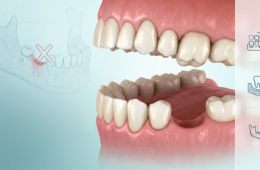
Tooth loss is not a normal part of aging, but it’s common due to years of wear and untreated gum disease. Many seniors rely on:
- Partial or full dentures
- Dental bridges
- Implants
Proper fit, daily cleaning, and regular adjustments are key to maintaining comfort and oral function with dentures or other restorations.
- Oral Cancer
The risk of oral cancer increases with age, especially in individuals who smoke or drink alcohol. Warning signs include:
- Persistent mouth sores
- Lumps or thick patches in the mouth or throat
- Difficulty swallowing or moving the tongue
Routine dental visits can aid in early detection through oral cancer screenings—often included in a comprehensive exam.
Essential Dental Care Tips for Seniors
🪥 Maintain a Consistent Oral Hygiene Routine
- Brush twice a day with a fluoride toothpaste
- Use a soft-bristled brush or electric toothbrush to reduce strain
- Floss daily or use an interdental cleaner or water flosser
If manual dexterity is an issue, caregivers can assist with brushing, or consider adaptive dental tools.
🧃 Stay Hydrated and Manage Dry Mouth
- Sip water throughout the day
- Avoid alcohol and caffeine, which dry the mouth
- Use sugar-free gum or lozenges to stimulate saliva
- Ask your dentist about saliva substitutes or fluoride rinses
🍎 Choose a Nutrient-Rich Diet
- Focus on calcium-rich foods like dairy, leafy greens, and almonds
- Eat high-fiber fruits and vegetables
- Limit sugar and acidic foods, which can erode enamel
- Cut foods into smaller pieces to make chewing easier
🦷 Don’t Skip Dental Checkups
Seniors should visit the dentist at least twice a year, even if they have no natural teeth. Regular visits help detect problems early, keep gums healthy, and ensure proper fit of dental appliances like dentures or bridges.
🦻 Talk to Your Dentist About Medical History
Many seniors take medications or manage chronic conditions. Be sure to inform your dentist about:
- All current medications
- Existing medical diagnoses
- Any recent surgeries or hospitalizations
This allows your dentist to tailor your care and avoid potential complications.
Dental Care for Seniors in Assisted Living or With Mobility Issues
Older adults who are homebound or in assisted living may need mobile dental care or in-home oral hygiene support. Families and caregivers should:
- Ensure brushing is done twice daily
- Schedule mobile or in-clinic dental visits when possible
- Use fluoride rinses or prescription-strength toothpaste if advised
Neglected oral care can quickly lead to pain, infections, or difficulty eating—especially in those with dementia or disabilities.
Final Thoughts
Dental care doesn’t stop with age—it becomes even more important. Seniors face unique oral health challenges, but with the right care and awareness, it’s possible to maintain a healthy, confident smile throughout life.