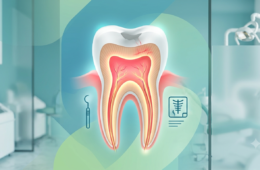
When you’ve undergone a root canal treatment (RCT), the worst part — tooth pain and infection — is finally behind you. But the journey to complete oral health doesn’t end there. One crucial step remains — getting a dental crown to protect your treated tooth.
In this blog, we’ll explain why a dental crown after root canal therapy is essential, how it safeguards your tooth, and what you can expect during the process.
Why Is a Root Canal Performed?
A root canal treatment becomes necessary when bacteria invade the pulp (the innermost part of the tooth containing nerves and blood vessels). This often happens due to deep decay, cracks, or repeated dental procedures on the same tooth.
During the procedure, your dentist removes the infected pulp, disinfects the canal, and seals it with a filling material to prevent reinfection. The treated tooth, however, becomes weaker and more brittle — that’s where a dental crown plays a vital role.
Why Your Tooth Needs a Crown After Root Canal Therapy
After a root canal, your tooth loses its living tissue, which means it’s no longer as strong or flexible as before. Without protection, the tooth may crack, chip, or fracture under chewing pressure.
Here’s how a dental crown helps protect your treated tooth:
1. Restores Strength and Structure
Once the pulp is removed, the tooth’s internal structure becomes hollow and fragile. A crown acts like a protective shell, restoring the tooth’s strength and allowing you to bite and chew comfortably.
2. Prevents Fractures
Root canal-treated teeth, especially molars and premolars that bear heavy chewing forces, are at a higher risk of cracking. A crown covers the entire surface, preventing fractures and extending the life of your tooth.
3. Seals Against Bacteria
Even a small gap in a filling can allow bacteria to re-enter and cause reinfection. A properly fitted crown seals your tooth completely, keeping harmful bacteria out.
4. Improves Appearance
Crowns aren’t just functional — they’re also cosmetic. If your tooth has darkened after the root canal, a porcelain or ceramic crown can restore its natural color and appearance, giving you a confident smile.
What Happens If You Don’t Get a Crown After Root Canal?
Many patients wonder if they can skip getting a crown after root canal therapy. The answer depends on the tooth’s location and condition — but in most cases, it’s not recommended to delay or avoid a crown.
Here’s what could happen without proper protection:
- The tooth may crack under pressure while chewing.
- Tiny fractures can allow bacteria to re-enter, causing reinfection or abscess formation.
- The tooth can break beyond repair, eventually requiring extraction.
- You might experience pain or sensitivity due to exposure.
In short — the time, effort, and cost invested in saving your tooth through a root canal could go to waste if it isn’t crowned afterward.
Types of Dental Crowns After Root Canal
Modern dentistry offers several crown materials designed for durability, aesthetics, and comfort. Your dentist will help you choose the best option based on your tooth location, budget, and preferences.
1. Porcelain Crowns
Best for front teeth, porcelain crowns blend seamlessly with your natural teeth and provide excellent aesthetics.
2. Porcelain-Fused-to-Metal (PFM) Crowns
These crowns combine the strength of metal with the appearance of porcelain, making them suitable for both front and back teeth.
3. All-Metal Crowns
Made of gold or other metal alloys, these crowns are incredibly strong and long-lasting — ideal for molars that endure high chewing pressure.
4. Zirconia Crowns
Zirconia crowns are known for their superior strength, biocompatibility, and natural tooth-like appearance — a popular choice for long-term restorations.
What to Expect During the Crown Procedure
The process of placing a dental crown typically takes two visits:
Visit 1: Tooth Preparation
- The dentist reshapes the treated tooth to create space for the crown.
- An impression (digital or physical) is taken to design a perfectly fitting crown.
- A temporary crown is placed to protect the tooth until the permanent one is ready.
Visit 2: Crown Placement
- The temporary crown is removed, and the new one is checked for fit and color.
- Once confirmed, it’s permanently cemented in place — restoring function and aesthetics instantly.
How to Care for a Crowned Tooth
With proper care, your crown can last 10–15 years or more. Follow these simple tips to ensure longevity:
- Brush and floss daily, especially around the crown margins.
- Avoid biting on hard foods or objects like ice or pens.
- Visit your dentist regularly for check-ups and cleanings.
- If you grind your teeth at night, use a nightguard to protect your crown.
Getting a dental crown after root canal therapy is not just a cosmetic choice — it’s a critical step in preserving your treated tooth. It ensures your tooth remains strong, functional, and infection-free for years to come.
If you’ve recently undergone a root canal and haven’t yet received your crown, schedule your appointment today. Protect your investment in your smile — because a healthy, complete set of teeth is worth every effort!