A common and worrying question many patients ask is: Can a badly decayed tooth be saved without extraction? The short answer is: sometimes yes, depending on the extent of damage. In this article, we’ll explore how dentists decide whether a severely decayed tooth can be restored, what treatment options exist, and when extraction is the only viable solution.
Understanding Tooth Decay and Its Progression
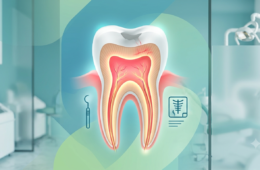
Tooth decay (dental caries) begins as demineralization of enamel. Over time, bacteria can penetrate dentin and eventually reach the pulp (the inner living tissue). When decay is shallow, a filling or inlay/onlay can suffice. But when decay becomes deep, reaching or infecting the pulp, the problem becomes more serious.
If left untreated, a decayed tooth may lead to:
● Pulpitis (inflammation of nerve)
● Abscess or infection
● Severe pain and swelling
● Structural weakening and risk of fracture
Whether a tooth is “too far gone” depends on how much healthy tooth structure remains, how far the infection has progressed, and whether the root(s) are still viable.
Key Factors That Determine If a Tooth Can Be Saved
Here are the main considerations a dentist uses to decide whether to attempt to save a severely decayed tooth:
1. Extent of decay and damage
If only a small portion of the crown is lost, a restoration (filling, crown) may work. But if decay extends far below the gum line or involves a root fracture, saving the tooth becomes much more challenging.
2. Condition of the pulp and root canals
When decay has reached the pulp, a root canal treatment (endodontic therapy) may allow the tooth to be saved — provided there is enough healthy root structure and no severe infection.
3. Bone support and periodontal health
Even if the root canal is successful, the tooth must have adequate bone and gum support. If periodontal disease or bone loss is severe, prognosis weakens.
4. Restorability / remaining tooth structure
After removing decayed tissue, if too little healthy tooth remains to support a crown or restoration, extraction may be the wiser long-term choice.
5. Patient general health and finances
Patient’s systemic health (e.g. diabetes) and financial considerations sometimes influence whether a conservative save is practical.
Treatment Options to Save a Badly Decayed Tooth
1. Deep Fillings / Inlays / Onlays
If the decay hasn’t invaded the pulp, a deep filling (composite or glass ionomer) or partial restoration like an inlay/onlay may suffice. These options preserve structure and avoid full coverage crowns if possible.
2. Root Canal Therapy + Crown
When the pulp is affected, root canal treatment (RCT) becomes the standard approach. After cleaning, disinfecting, and sealing the canals, the tooth is typically restored with a crown to regain strength and prevent fracture. In many cases, a tooth that looked “hopeless” can be saved this way.
3. Post & Core Build-ups
If substantial internal tooth structure is lost, a post (carefully placed in the root) plus core build-up may provide enough foundation for a crown. This is useful in cases where the crown portion is severely compromised.
4. Apicoectomy (Surgical Root Treatment)
If root canal treatment alone is not sufficient due to persistent infection in the root tip, an apicoectomy (surgical removal of root tip and sealing) may salvage the tooth.
5. Crown Lengthening or Crown Extension
If decay extends below the gum line, minor periodontal surgery (crown lengthening) can expose enough tooth structure to allow restoration.
When Extraction Becomes the Only Option
Despite all best efforts, sometimes a decayed tooth cannot be saved. Situations requiring extraction include:
● Vertical fractures of the root
● Extensive bone loss or periodontal disease
● Non-restorable tooth structure (too little tooth remains)
● Unresolvable infection or failed root canal retreatments
● Patient health conditions that contraindicate further interventions
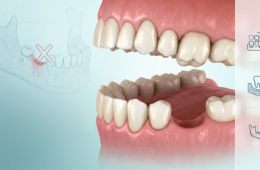
In those cases, extraction followed by a replacement (implant, bridge, or removable prosthesis) ensures oral health is maintained.
Pros & Cons of Saving vs. Extraction
Approach Advantages Risks / Challenges
Saving (RCT + Crown, etc.) Preserves natural tooth, maintains chewing, aesthetics Higher cost, treatment may fail, additional procedures needed
Extraction + Replacement May be simpler in advanced cases, can install implant Loss of natural tooth, cost for replacement, bone resorption over time
Tips for Patients: What You Can Do
● Don’t delay treatment — early intervention gives better chances of saving the tooth
● Maintain excellent oral hygiene (brushing, flossing, regular checkups)
● Avoid chewing hard foods on a severely decayed tooth
● Follow dentist’s instructions after treatment (e.g. avoid excessive stress)
● Ask your dentist for options, prognosis, cost, and possible retreatments
Why Choose Whalom Dental for Saving Your Teeth
At Whalom Dental, our philosophy is to preserve natural teeth whenever possible. We focus on a patient-centric approach, carefully evaluating each case to determine the best possible outcome. Our dentists discuss all available options with you, helping you make an informed decision between saving a tooth and extraction.
We also believe in transparency — you’ll always understand the treatment process, costs, and expected results before moving forward. Even in complex situations, our priority is to choose the solution that best supports your oral health and helps you maintain a confident, healthy smile.