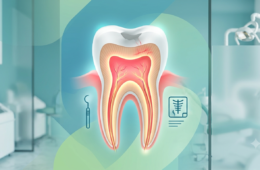
If your dentist has recommended a root canal, you may be wondering: Are root canals permanent? The short answer is yes—root canal treatment is designed to permanently remove infection from inside the tooth. However, the long-term success of a root canal depends on several important factors.
With proper care, a root canal can last decades—and in many cases, a lifetime. Let’s explore how root canal treatment works, how long it lasts, and what you can do to protect your treated tooth.
What Is a Root Canal?
A root canal is a dental procedure used to treat infection inside the tooth. When the inner pulp becomes infected due to deep decay, cracks, or trauma, it can cause severe pain and swelling.
During root canal treatment, the dentist:
- Removes infected pulp tissue
- Cleans and disinfects the root canals
- Seals the tooth to prevent reinfection
- Places a filling or crown for protection
The goal is to eliminate infection while preserving the natural tooth structure.
Is a Root Canal Permanent?
Yes, the removal of infected pulp is permanent. Once the pulp is removed and the canals are sealed, that infection cannot return in the same way.
However, the treated tooth still requires protection. A root canal-treated tooth is no longer “alive” because the nerve has been removed. This makes it more brittle over time, which is why placing a dental crown is often recommended.
When properly restored and maintained, a root canal-treated tooth can function just like a natural tooth for many years.
How Long Do Root Canals Last?
Studies show that root canal treatments have a success rate of over 90 percent. Many treated teeth last 10 to 20 years or longer, and some last a lifetime.
The longevity depends on factors such as:
- The extent of original damage
- Proper sealing of the canals
- Placement of a crown
- Oral hygiene habits
- Regular dental check-ups
A well-performed root canal combined with proper restoration significantly increases durability.
Why a Crown Is Often Essential
After a root canal, the tooth becomes weaker because it no longer has living pulp tissue. Without protection, it may crack under chewing pressure.
A dental crown helps:
- Strengthen the tooth
- Restore full chewing function
- Prevent fractures
- Seal out bacteria
In many cases, skipping the crown increases the risk of future complications.
What Can Cause a Root Canal to Fail?
Although uncommon, root canal failure can occur. Possible causes include:
- Incomplete cleaning of canals
- New decay around the treated tooth
- Cracked tooth structure
- Delayed crown placement
- Reinfection due to poor sealing
Symptoms of a failed root canal may include pain, swelling, or sensitivity months or years after treatment. In such cases, retreatment or endodontic surgery may be required.
How to Make a Root Canal Last a Lifetime
The good news is that most failures are preventable with proper care.
Practice Excellent Oral Hygiene
Brush twice daily and floss regularly to prevent new decay around the treated tooth. Even though the nerve is removed, the outer structure can still decay.
Get a Crown Promptly
If your dentist recommends a crown, do not delay. Protecting the tooth soon after treatment reduces fracture risk.
Avoid Chewing Hard Objects
Biting on ice, hard candy, or using your teeth as tools can crack a root canal-treated tooth.
Wear a Night Guard if You Grind Your Teeth
Teeth grinding (bruxism) can weaken both natural and treated teeth. A custom night guard protects against excessive pressure.
Schedule Regular Dental Check-Ups
Routine exams and X-rays help detect early signs of problems before they become serious. Early intervention increases long-term success.
Are Root Canals Better Than Extraction?
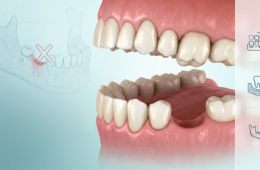
In most cases, saving your natural tooth with a root canal is better than extracting it. Tooth extraction can lead to:
- Shifting of nearby teeth
- Bone loss in the jaw
- Bite misalignment
- Need for dental implants or bridges
Preserving your natural tooth helps maintain proper function and alignment.
Signs You May Need a Root Canal
If you experience the following symptoms, consult your dentist promptly:
- Severe tooth pain
- Prolonged sensitivity to hot or cold
- Swollen gums
- Darkening of the tooth
- Tenderness when chewing
Early treatment improves success rates and prevents complications.
So, are root canals permanent? Yes—the removal of infection is permanent, and with proper restoration and care, the treated tooth can last for decades or even a lifetime.
The key to longevity lies in timely crown placement, good oral hygiene, regular dental visits, and avoiding habits that stress the tooth.
If you’ve had a root canal or believe you may need one, schedule a consultation with your dental clinic today. Protecting your natural teeth is one of the best investments you can make in your long-term oral health.